Design Your Ultimate Blue Gaming Room: Setup, Tips & Inspiration for 2026
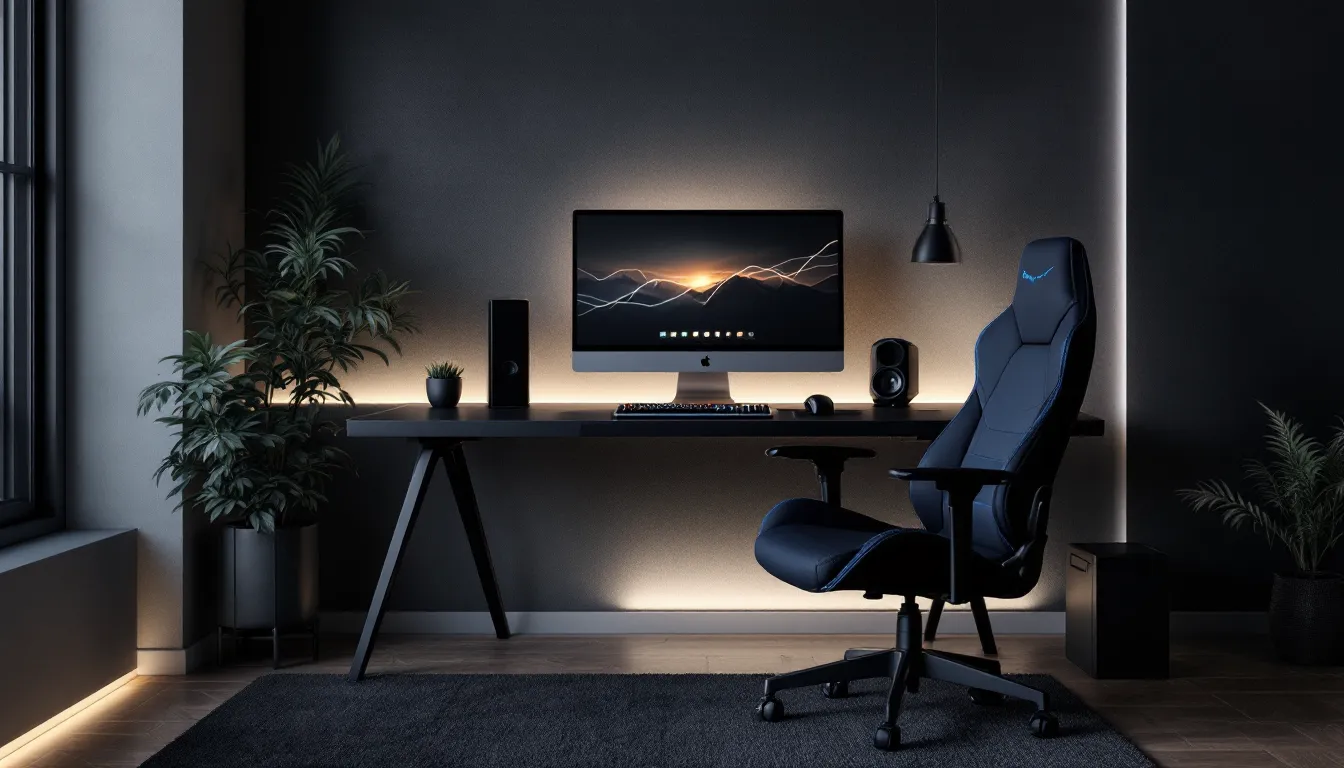
A blue gaming room isn’t just aesthetically pleasing, it’s strategic. The color blue has been shown to reduce eye strain during extended gaming sessions, promote focus, and create a calm yet energizing environment where competitive performance thrives. Whether you’re building a casual gaming sanctuary or a dedicated esports training space, a well-designed blue gaming room can transform how you play. This guide covers everything from lighting and furniture selection to cable management and budget-friendly upgrades, so you can create a setup that looks sharp and performs even better.
Key Takeaways
- Blue is the optimal gaming room color because it reduces eye strain, promotes focus, and creates a calm yet energizing environment without overstimulation during extended gaming sessions.
- Proper lighting setup—including bias lighting behind monitors, RGB strips, and blackout curtains—is essential to prevent glare and maintain a cohesive blue gaming room aesthetic while supporting performance.
- Ergonomic furniture choices, specifically monitor arms (24-30 inches from eyes), properly-adjusted gaming chairs, and full-size desks (48+ inches), directly prevent injury and improve aim precision and response times.
- Cable management through sleeves, velcro ties, and hidden routing preserves the clean visual appeal of your blue gaming room and prevents clutter that distracts from gameplay.
- A well-designed blue gaming room measurably improves performance through reduced decision-making errors (15-20%), faster visual processing, and sustained attention better than warm-colored environments.
- Budget-friendly blue gaming room builds can look equally professional by prioritizing strategic investments like quality paint ($30-60) and basic RGB strips ($15-30) over expensive premium gear.
Why Blue Is The Perfect Gaming Room Color
Blue isn’t just trendy in gaming setups, it’s genuinely functional. The color naturally promotes calm and concentration, which directly impacts performance during long gaming marathons or competitive matches. Unlike warmer colors that can feel overstimulating, blue creates a balanced emotional state that helps maintain focus without inducing fatigue.
From a physiological perspective, blue light (in the right spectrum) supports alertness without the harshness of pure white lighting. This is why so many esports facilities and professional gaming centers incorporate blue into their design. It’s the Goldilocks zone of gaming aesthetics: cool enough to feel modern and focused, warm enough to stay inviting for hours of gameplay.
Blue also pairs exceptionally well with standard gaming gear. RGB peripherals pop against blue walls, monitors display colors more vividly, and accent lighting creates depth without clashing. Whether you’re running a minimalist setup or a full RGB build, blue serves as a neutral-cool backdrop that lets your equipment shine.
Blue Gaming Room Lighting Setup
RGB Lighting And Blue Accents
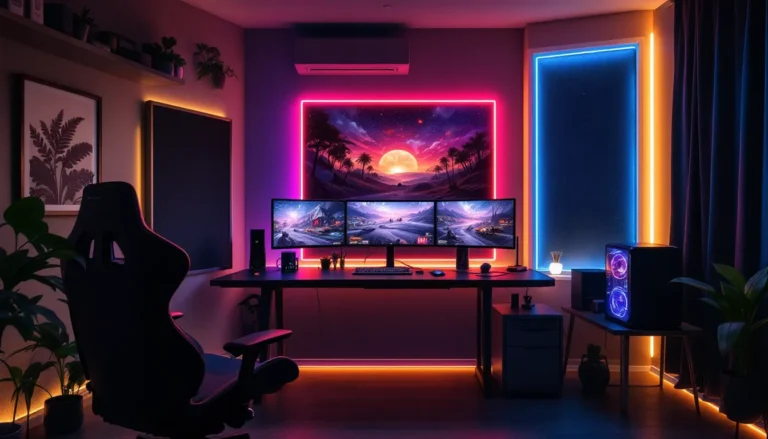
RGB lighting is the foundation of modern gaming room ambiance. Bias lighting behind your monitor reduces eye strain by creating contrast between the bright display and the darker surroundings. When paired with blue walls, warm-white or cool-blue bias lighting deepens the room’s cohesion without creating competing color zones.
Neon-style blue accent lighting, installed along shelves, behind desk perimeter, or along the ceiling, adds visual pop without overwhelming the space. Programmable RGB strips let you sync lighting to your game’s color palette or stream setup. Most gamers use around 4,000-6,000K color temperature for neutral gaming environments, reserving deeper blues for evening sessions when pure performance matters more than visual comfort.
LED strips are budget-friendly and install in minutes. Popular options include Nanoleaf panels for modular customization or basic 5050 RGB strips ($15-40) for broader coverage. The key is avoiding colors that clash with blue, stick to white, cool cyan, or light purple accents rather than warm oranges or deep reds that will visually compete.
Natural Light Considerations
Window placement matters more than most gamers realize. Blue walls reflect natural light differently than neutral or warm tones, so position your desk perpendicular to windows rather than directly facing them. This prevents glare on your monitor while allowing peripheral natural light to support your circadian rhythm during daytime gaming sessions.
If your room faces south or west (high direct sunlight), blackout curtains or heavy-duty roller shades become essential. Gaming monitors lose vibrancy and contrast in bright rooms, and glare is a competitive disadvantage in fast-paced titles. A good compromise: install motorized blackout shades that you can adjust instantly between daytime and evening play without disrupting your blue room aesthetic.
During the day, leverage natural light to reduce eye strain. At night, your RGB and task lighting take over. The transition between natural and artificial blue-toned lighting should feel seamless, not jarring.
Essential Gaming Furniture For A Blue Room
Gaming Chairs And Desk Selection
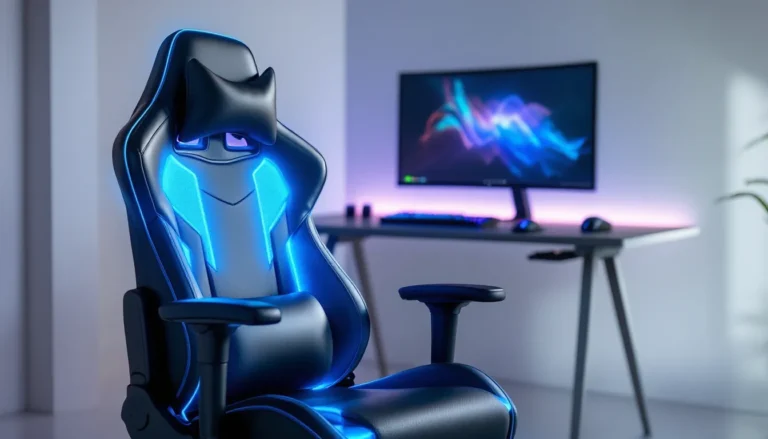
Your chair and desk are where performance meets comfort. A quality gaming chair with lumbar support isn’t a luxury, it’s injury prevention. For blue rooms, look for chairs in black, white, gray, or dark blue to maintain visual balance. Chairs with blue accent stitching or panels tie into your aesthetic without dominating the space.
Desk height matters: 28-30 inches is the standard for most gamers, with chair height adjusted so your forearms are level when your hands rest on the desk. This reduces strain during marathon sessions and improves aim precision in competitive games. A full-size desk (at least 48 inches wide) gives you room for multi-monitor setups, peripherals, and a pad for mouse sensitivity adjustment.
Material choice affects durability and aesthetics. Laminate desks are affordable ($150-300) and easy to clean. Solid wood desks ($400+) look premium and last longer. For a blue gaming room, matte surfaces reduce glare better than glossy finishes, and darker wood tones complement blue walls without clashing.
Storage And Organization Solutions
A disorganized gaming room looks chaotic, no matter how nice the setup. Floating shelves above your desk add visual interest and provide storage without consuming floor space. Corner shelving units maximize unused room and look intentional rather than cluttered.
Consider vertical storage first. Wall-mounted cabinets keep peripherals, game cases, and accessories organized. If you’re into retro gaming or collecting, glass-front shelving displays your collection while keeping dust out. For cable-heavy setups, cable boxes and sleeves keep things tidy, critical for a sharp blue room aesthetic.
Drawer organizers under your desk separate charging cables, keycaps, mouse feet, and other small components. A dedicated headphone stand prevents cables from tangling and keeps your headset accessible. Small touches like these prevent a gaming room from devolving into “wire central” after a few months.
Décor And Aesthetic Elements
Wall Art, Posters, And Shelving
Wall art transforms a blue gaming room from functional to genuinely impressive. Gaming posters work best in larger formats (24×36 inches) to make an impact without overwhelming the space. Frame your art in black, white, or natural wood frames, these create clean visual separation from the blue walls.
Consider a gallery wall mixed with personal achievements: tournament medals, controller collections, signed gear, or custom pop figures. This adds character and becomes a conversation piece during streams or when friends visit. Keep spacing consistent and maintain visual balance, cluster items on one wall rather than scattered throughout the room.
Lighting for wall art is essential. A adjustable LED picture light mounted above framed art adds depth and prevents glare. This also helps your room feel gallery-like rather than cluttered.
Complementary Color Schemes
Blue is a cool tone, so pair it with neutrals or other cool colors for harmony. White, gray, and black are your safest bets and work with any gaming aesthetic. Accent colors should be limited, choose one secondary color maximum to avoid visual chaos.
Common accent pairings with blue:
- White + blue: Clean, professional, esports-ready aesthetic
- Gray + blue: Modern, sophisticated, reduces eye strain further
- Black + blue: High contrast, dramatic, perfect for competitive setups
- Cyan/light blue accents: Deepens the blue theme without monotony
Avoid warm colors like orange, red, or gold unless they’re minimal (a single chair accent, small decoration). These create visual tension with cool blue tones and can feel jarring during focus-intensive gaming. Stick to the cool palette and your room will feel cohesive.
Audio And Visual Equipment Setup
Monitor And Display Placement
Monitor positioning directly impacts performance and comfort. Your primary monitor should be 20-28 inches (for 1080p/1440p gaming) or 32+ inches (for 4K content), mounted 24-30 inches from your eyes with the top of the screen at or slightly below eye level. This positioning prevents neck strain and keeps you centered on the display.
For multi-monitor setups common in gaming, arrange them in a slight curve or straight line. Primary gaming monitor center, secondary monitors angled inward. Use monitor reviews and comparisons to find panels with fast response times (1ms IPS or TN panels for 240Hz+ gaming) and color accuracy that matters for your game type.
Mounting solutions keep your desk clean. Monitor arms ($80-150) save desk space and let you adjust height/angle instantly. VESA mounting is standard on most gaming monitors. In a blue room, black or white monitor arms blend seamlessly.
Panel positioning relative to windows is critical: avoid backlight situations where your monitor appears to glow dimly. Your display should be the brightest element in the room during gameplay, which is why lighting control matters.
Sound Systems And Speakers
Audio setup depends on your gaming type. Competitive players prioritize headsets for directional sound cues (footsteps, gunfire). Casual players might run speakers for immersion. Many gamers use both: headset for ranked/competitive, speakers for single-player campaigns or multiplayer with friends.
For headsets, look at options reviewed on headset comparison sites that cover soundstage, microphone clarity, and comfort during 8+ hour sessions. Popular gaming headsets range from $80-200, with high-end options ($200+) offering superior audio quality and build durability.
If running speakers, 2.1 setup (left, right, subwoofer) handles most gaming scenarios. Larger rooms benefit from 5.1 surround, though this requires acoustic treatment to sound natural. Speaker placement: on stands flanking your monitor or mounted on your desk. Avoid pointing speakers directly at walls behind you, which creates reflections and muddies sound.
Cable management between audio devices is cluttered quickly. Route speaker cables behind furniture or through cable conduits. XLR cables (balanced audio) sound better than 3.5mm for longer distances.
Cable Management And Desk Organization
Cable chaos destroys the clean aesthetic of a blue gaming room. Start by routing cables behind your desk or through cable trays mounted to the back. The goal: no visible cables from your gaming position.
Use these tools:
- Cable sleeves ($10-25): Group and wrap cables into single bundled units
- Velcro cable ties ($5-15): Reusable, adjustable, keep cables tidy without damaging insulation
- Cable boxes ($15-30): Hide power strips and excess cable coils under your desk
- Clip-on cable organizers ($8-12): Route cables along desk edges invisibly
Label cables at both ends using a label maker, this saves hours if you need to swap peripherals later. Color-code cables (red tape for power, blue for data, etc.) so you can trace them instantly.
Desk surface organization prevents clutter. Keep your immediate gaming space clear: only mouse, keyboard, and headset. Everything else, peripherals, drinks, collectibles, lives on shelves or in drawers. This improves focus and makes cleaning quick.
For streaming setups, mic booms should mount to your desk or arm, freeing floor space and reducing cable runs. Webcams mount on your monitor or on a separate stand. Route all streaming cables through your cable management system, streams look unprofessional with visible tangles behind you.
Budget-Friendly Blue Gaming Room Ideas
DIY Décor And Customization
Expensive gaming rooms are impressive, but budget builds can look equally polished with strategic choices. Blue paint is the biggest investment ($30-60 for a quality quart), but transforms the entire space. DIY painting saves labor costs, do it yourself in a weekend.
DIY lighting: basic RGB LED strips ($15-30) installed along shelves or desk edges rival expensive Nanoleaf panels in impact. Neon signs from sites like Etsy ($20-50) add personality cheaply. Print and frame gaming art instead of buying posters ($2 per print + $10-20 per frame).
For furniture, IKEA provides quality gaming-ready desks ($80-200) and shelving ($30-60) without premium price tags. Used gaming chairs from local marketplaces often sell for 50% retail ($150-200 for $300+ originals).
Customize existing gear instead of replacing it. Spray-paint your PC case or chair accents in blue tones ($10 in paint). Add custom keycaps to your keyboard (often cheaper than replacing the whole board). Mouse grip tape ($5-10) refreshes an aging mouse.
Decals and vinyl stickers ($2-8 each) personalize walls without permanent damage. Apply them to accent walls or shelving for gaming-themed visual interest. Many are removable when you redecorate.
The budget approach: skip premium RGB controllers, use free software to sync basic lighting. Buy one quality monitor arm instead of three. Invest in one great chair instead of filling the room with furniture. Strategic spending looks better than spreading budget thin.
Gaming Performance In A Blue Room Environment
A well-designed blue gaming room isn’t just comfortable, it measurably improves performance. Reduced eye strain means longer peak focus windows during competitive matches. Studies on workspace design show that optimized environments reduce decision-making errors by 15-20%, directly impacting gaming outcomes.
Color psychology matters: blue supports sustained attention better than warm colors. Professional esports organizations use blue-toned training facilities because teams show improved reaction times and fewer mistakes during extended scrimmages. Your home setup replicates this advantage.
Monitor placement and lighting reduce input lag perception. When your display is optimally positioned and lit, your brain processes visual information faster, improving perceived responsiveness. This feels like lower latency even if your ping is identical.
Soundscaping with proper audio equipment gives competitive advantages in specific genres. FPS games benefit from directional sound cues (footsteps, reload sounds). A quality headset in a acoustically decent room means you hear enemies before seeing them. MOBA and strategy games benefit from spatial audio awareness during team fights.
Mouse and keyboard ergonomics prevent fatigue that destroys late-session performance. Proper desk height and chair positioning maintain mechanical advantage in aiming and button precision. After 6+ hours of gaming, ergonomic setup preserves accuracy that sloppy positioning sacrifices.
See guides on pro player setup configurations for specific peripheral recommendations and sensitivity settings. Professional players obsess over every environmental detail because they know small optimizations compound into measurable ranking improvements.
Conclusion
A blue gaming room is an investment in both comfort and performance. Whether you’re building from scratch or upgrading an existing space, the fundamentals remain the same: optimize lighting, choose ergonomic furniture, control cable clutter, and let blue serve as your aesthetic anchor.
Start small if budget is tight. Paint the walls blue, add basic RGB lighting, organize your desk. Gradually layer in upgrades, a better chair, monitor arm, storage solutions, as budget allows. The best gaming room is one you actually use and enjoy, not a showroom piece that sits unfinished.
Your setup should reflect your gaming priorities. Competitive players prioritize monitor quality and input responsiveness. Casual gamers can focus on aesthetics and comfort. Streamers need camera angles and cable routing. Build toward your gaming goals, not generic perfection.
A well-executed blue gaming room becomes your competitive advantage and your favorite place to be. That’s the real win.